Understanding your ovulation can feel like discovering a new language. Once you learn how to recognize those signs, tracking ovulation can become empowering, giving you more confidence and clarity on your path to growing your family.
At InVia Fertility, you’re never expected to figure it out alone. Our compassionate team combines advanced laboratory expertise with genuine, hands-on guidance. Together, we’ll help you learn how your cycle works and what your body is trying to tell you.
So, how can you tell if you’re ovulating? Let’s walk through what to look for and how to track it with confidence.
Tracking Your Cycle: Finding Your Rhythm
Most people ovulate somewhere between days 11 and 21 of their cycle, though the exact timing depends on your body’s unique rhythm. If you’re trying to conceive, the most fertile time is usually a few days before ovulation—when sperm can wait patiently for the egg’s arrival.
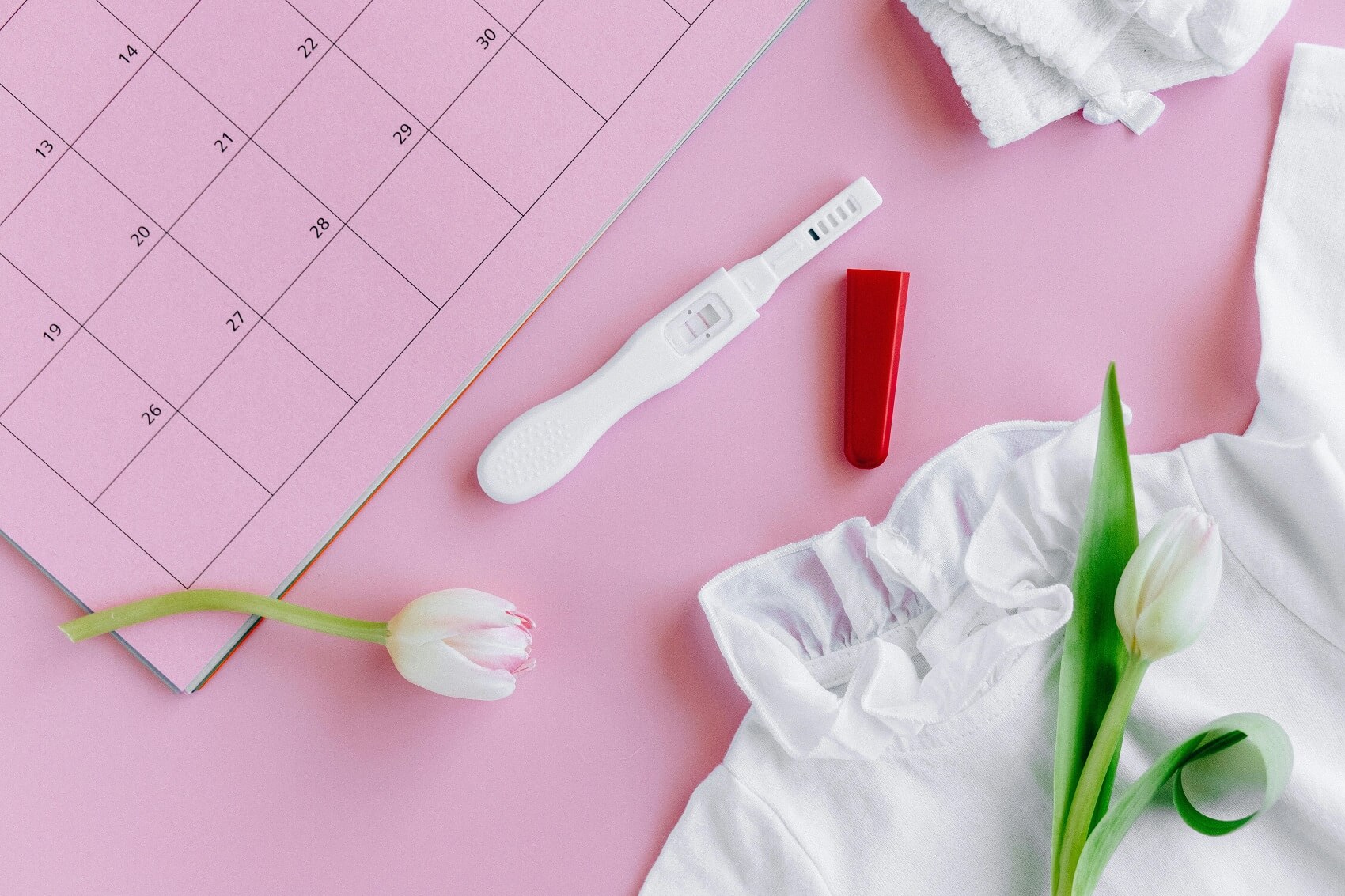
To better understand your cycle, try charting it over a few months. You can use a journal, calendar, or fertility app to help recognize patterns. The more you track, the clearer your body’s signals become.
Here are a few helpful ways to monitor ovulation:
Cervical Mucus Monitoring
Your cervical mucus changes throughout your cycle and can be one of the most reliable natural signs of ovulation. As ovulation approaches, it becomes clear, stretchy, and slippery—similar to raw egg whites. This fertile-quality mucus helps sperm move through the cervix and into the uterus more easily, increasing the chance of conception.
At-Home Ovulation Predictor Kits
These kits detect a rise in luteinizing hormone (LH) in your urine, which happens just before ovulation. A positive result usually means ovulation is about 24–36 hours away—your cue to start trying.
Fertility Testing
If your cycles are unpredictable or you’ve been trying to conceive without success, fertility testing can provide answers. At InVia Fertility, our specialists use advanced testing and ultrasound monitoring to give you clear, reliable information about when you’re ovulating.
Every body is different, and using a mix of methods often helps you feel more certain about your timing and next steps.
Signs of Ovulation: What Your Body May Be Telling You
Your body sends subtle but important signals when ovulation is approaching—it’s just a matter of tuning in. One of the most common signs is a change in cervical mucus, which becomes clear, stretchy, and slippery (like raw egg whites) around ovulation.
Other signs you might notice include:
Mild pelvic or abdominal discomfort
Increased libido
Breast tenderness
Temporary bloating
These symptoms can come and go from month to month, and that’s completely normal. Combining your physical observations with tracking methods gives you the clearest picture of your cycle.
Ovulation & Fertility: Acting During Your Most Fertile Window
Timing really does matter when it comes to conception. While your egg is only viable for about 24 hours, sperm can survive inside the reproductive tract for up to five days. That means your most fertile window is the few days leading up to ovulation and the day it occurs.
If you’re actively trying to conceive, the best chances come from having unprotected intercourse during this fertile window—roughly one to two days before ovulation through the day it happens. This timing gives sperm the best opportunity to meet the egg during that brief, magical window of fertility.
Frequently Asked Questions
Can you ovulate more than once in a cycle?
It’s rare to ovulate more than once in a single cycle. However, your fertile window can last several days. Sometimes, one ovulation event may release more than one egg, which can result in fraternal twins—but that’s one event, not two separate ovulations.
What happens to ovulation on birth control?
Hormonal birth control methods—like pills, patches, and IUDs—work by preventing ovulation. Once you stop these methods, ovulation usually resumes, though the timing may vary from person to person.
Can lifestyle changes affect ovulation timing?
Yes. While ovulation typically happens about 14 days before your next period, lifestyle factors like stress, changes in sleep, or significant weight shifts can influence timing. If your cycles become irregular or stop altogether, it’s a good idea to speak with a fertility specialist to understand what’s happening.
Understanding Your Body, Empowering Your Journey
Learning to recognize your ovulation isn’t just about timing—it’s about connection. It’s about understanding your body on a deeper level and using that knowledge to move closer to your dream of parenthood.
At InVia Fertility, we’re here to walk beside you every step of the way. You’ll have a team of reproductive endocrinologists, embryologists, and caring professionals who guide you with warmth, respect, and hope.
Because when it comes to building your family, you deserve more than answers—you deserve support that feels personal, reassuring, and rooted in possibility.
Whenever you’re ready, we’ll be here to help you take the next step forward.