Some decisions in fertility care only arrive after long nights of thinking, after conversations spoken softly, after moments when hope feels fragile yet persistent. Preimplantation genetic testing (PGT) often enters the room during one of those moments.
What is preimplantation genetic testing (PGT)? Think of it as one of those carefully stitched quilts our elders made, each square chosen with intention. PGT pieces together the genetic makeup of embryos being developed for IVF (in vitro fertilization) treatment so that hopeful parents gain important insights prior to implantation.
InVia Fertility has provided a complete guide for patients interested in receiving preimplantation genetic testing as part of their IVF journey.
How Preimplantation Genetic Testing Works: Bringing Clarity to IVF Treatment
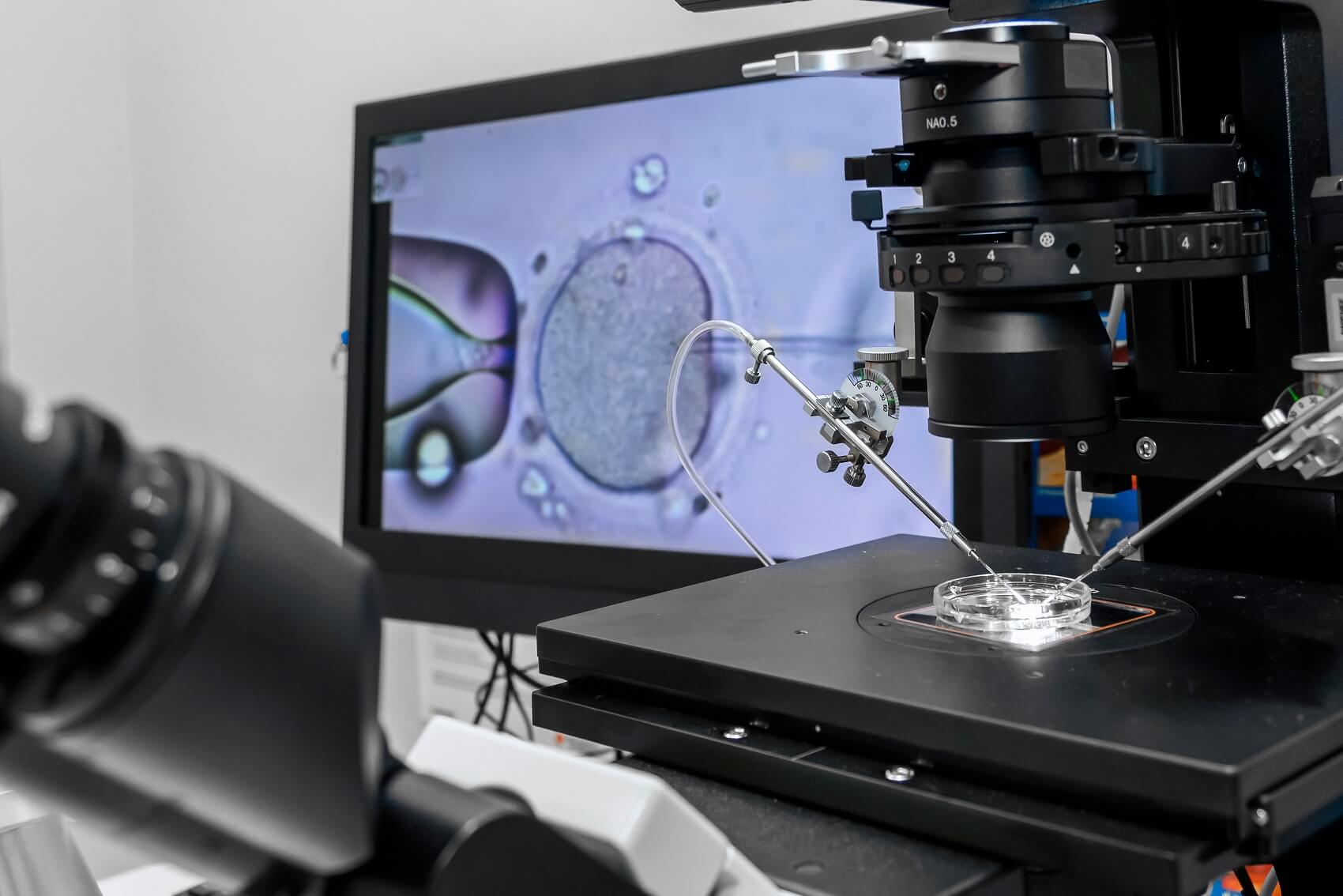
PGT, also known as preimplantation genetic testing, involves examining a small group of cells taken from the membrane around a developing embryo created through IVF. This offers insight into genetic or chromosomal concerns, providing information that assists your fertility team in selecting the most viable embryo for transfer.
Testing focuses on genetic variations such as:
Chromosome differences
Single-gene conditions
Structural rearrangements
Clinically, these variations can influence implantation outcomes or contribute to challenges such as miscarriage or birth defects, per the American Society for Reproductive Medicine.*
Understanding the Different Types of PGT: The Paths PGT Can Offer During IVF
Preimplantation genetic testing includes several categories, each with a specific purpose, and each designed to support you during your family-building journey.
PGT
PGT evaluates chromosome number. Humans typically have 46 chromosomes. When developing embryos contain an extra or missing chromosome, this is referred to as aneuploidy. Chromosomal imbalances can influence implantation and are often associated with pregnancy loss.
You may consider PGT after recurrent miscarriage, prior aneuploid pregnancies, or persistent unexplained infertility patterns. The information gained offers direction during future transfer planning.
PGT-M
PGT-M focuses on known single-gene mutations carried by one or both partners. These may include inherited conditions such as cystic fibrosis, muscular dystrophy, Tay-Sachs disease, or BRCA gene variants.
Testing helps identify embryos where dividing cells carry or do not carry the specific familial mutation. This insight supports informed planning before transfer discussions take place.
PGT-SR
PGT-SR evaluates structural chromosome rearrangements, including translocations. These rearrangements can affect how genetic material is distributed during early cell division. For individuals with known chromosomal rearrangements, PGT-SR provides valuable information that supports individualized treatment planning.
Preimplantation Genetic Testing Step by Step
When developing embryos reach day five or six of development, a few cells are gently removed from the outer layer, which later contributes to placental development. The embryo itself remains preserved and closely monitored by certified and experienced embryologists. This is known as the blastocyst stage.
The collected cells are sent to a specialized laboratory for analysis based on the type of PGT you and your care team decide to run. When results return, your physician and genetic counselor review them with you, translating complex data into clear guidance shaped around your care.
Every step reflects a commitment to accuracy, safety, and responsibility, supported by advanced laboratory standards and the experience of highly trained reproductive specialists.
FAQs
Why would I consider PGT?
PGT can provide additional information about an embryo’s chromosomal makeup, helping you and your fertility specialists better understand past IVF outcomes and make informed decisions about next steps.
Do all people receiving IVF treatment choose PGT?
PGT is elective. Some pursue it due to known genetic risks, past pregnancy challenges, or a desire for additional information. Others proceed with IVF without genetic screening. Your physician can help outline the pros and limitations based on your individual case.
Should I consider PGT?
People choose PGT for many reasons, including:
Genetic disorders carried by one or both parents
Chromosomal variations that influence implantation
Conditions associated with recurrent miscarriage
Unexplained infertility patterns
Your fertility team uses the information gained through PGT to shape a treatment approach that reflects your individual needs.
Book a PGT Consultation Today!
Let’s circle back to the very beginning: what is preimplantation genetic testing (PGT)? If you are considering PGT during IVF and want clear guidance, PGT is a great option to provide a stronger chance of healthy embryo development after implantation.
Choosing preimplantation genetic testing often reflects care, responsibility, and deep consideration. It represents a desire to move forward with understanding rather than uncertainty. For many, it offers steadiness during a chapter that can feel emotionally full.
When you feel ready to talk through your options, our team of board-certified reproductive endocrinologists and fertility specialists is here to walk alongside you with clarity, patience, and care. Contact InVia Fertility to take the next step along your path to building your family.